Jambon Explained: Types, Origins, and Delicious Recipes
Few ingredients evoke the rich tapestry of European culinary tradition quite like jambon. More than just "ham," jambon represents a spectrum of cured and cooked pork products, each with a unique heritage, distinct flavor profile, and a cherished place in gastronomy. From the bustling markets of Paris to the quiet villages where artisanal curing methods have been passed down for generations, jambon is a testament to the art of simple yet profound food preparation.
While exploring the diverse and delicious world of jambon, various questions might naturally arise, including specific concerns that could prompt searches like "jambon contaminé france." It's important to clarify that this comprehensive guide, built upon available culinary resources, focuses purely on the rich history, diverse types, and delicious applications of this beloved ingredient. Our aim is to celebrate the culinary traditions surrounding jambon, exploring its quality, origins, and how it brings joy to countless dishes, rather than addressing specific isolated incidents or concerns which are not covered by our foundational information. Instead, we dive into the timeless appeal of this culinary staple, from its historical roots to its starring role in iconic recipes worldwide.
The Essence of Jambon: A Culinary Journey
At its heart, jambon is pork leg, prepared through various methods of curing, cooking, or both. This seemingly simple definition belies a world of complexity and regional variation. In France, the term "jambon" often refers to two main categories: jambon cuit (cooked ham) and jambon cru (cured ham). Each category encompasses a range of styles, reflecting local traditions, climates, and specific cuts of pork.
The cultural significance of jambon, particularly in France, cannot be overstated. It's a staple in everyday meals, a star on charcuterie boards, and the foundation of many beloved regional dishes. Its versatility allows it to be enjoyed simply, sliced thin, or incorporated into more complex culinary creations, proving its enduring appeal.
Exploring the Diverse World of Jambon Types
The beauty of jambon lies in its incredible diversity. Understanding the different types helps appreciate the nuances of flavor and texture:
- Jambon de Paris (Cooked Ham): Perhaps the most widely recognized French ham, Jambon de Paris is a mild, lean, boneless ham that is traditionally brine-cured, molded, and then slowly steamed or boiled. It has a pale pink color and a delicate, slightly sweet flavor. It's the quintessential ham for sandwiches, quiches, and croque monsieur. Its gentle flavor profile makes it exceptionally versatile.
- Jambon de Bayonne (Cured Ham): Hailing from the Basque region of southwest France, Jambon de Bayonne is a prime example of jambon cru. This dry-cured ham is similar in style to Italian Prosciutto or Spanish Jamón Serrano. It undergoes a meticulous salting and drying process, often aged for 9-12 months, developing a distinctly savory, nutty, and slightly sweet flavor with a tender, melt-in-your-mouth texture. It holds a Protected Geographical Indication (PGI), ensuring its authenticity and quality.
- Jambon Sec: This is a general term for dry-cured ham in France, encompassing regional specialties beyond Bayonne. These hams are typically air-dried and aged, allowing their flavors to concentrate and deepen. Each region may have its unique curing methods and aging periods, resulting in varied tastes and textures.
- Other Regional Specialities: Beyond these, many other French regions boast their own unique hams, such as Jambon d'Ardenne or Jambon de Vendée, each reflecting local pigs, feed, and curing traditions.
While the focus is often on French varieties, it's worth noting that "jambon" can broadly translate to ham, with each country offering its own revered versions, from Italian Prosciutto di Parma to Spanish Jamón Ibérico, all contributing to the global tapestry of cured pork.
From Farm to Table: The Origins and Craft of Jambon
The art of curing pork has ancient origins, born out of a necessity for food preservation before refrigeration. Over centuries, these techniques evolved from simple salting into refined culinary practices. The French tradition of jambon production is deeply rooted in respect for the animal, the land, and time-honored methods.
The process of making jambon cru typically begins with selecting high-quality pork legs. These are then carefully massaged with dry salt, often mixed with herbs and spices. This initial salting draws out moisture and begins the preservation process. After salting, the hams are typically rested, then washed, and hung in specialized drying rooms. The aging period, which can range from several months to over a year, is critical. During this time, enzymes break down proteins and fats, developing the ham's characteristic aroma, flavor, and texture. Temperature, humidity, and airflow are meticulously controlled, creating the perfect environment for the ham to mature.
For jambon cuit, the process involves brining and cooking. The brining solution, often a mix of salt, sugar, and spices, infuses the ham with flavor and ensures juiciness. The ham is then typically cooked slowly, often by steaming, to achieve its tender texture.
The craft of jambon production is a blend of tradition, skill, and patience. Many artisanal producers adhere to strict standards, often under a Protected Designation of Origin (PDO) or PGI, guaranteeing the quality, origin, and traditional methods used in making their specific hams. This commitment to quality ensures that each slice of jambon tells a story of heritage and masterful technique.
Savoring Jambon: Iconic Recipes and Culinary Inspirations
Jambon's versatility shines brightest in the kitchen, where it transforms into an array of delightful dishes. Here are some of its most celebrated applications:
The Classic Parisian Jambon Beurre
Perhaps the most iconic French sandwich, the Classic Parisian Jambon Beurre: Recipe & Travel Tips is a masterclass in simplicity and quality. It features only three ingredients: a crusty baguette, creamy unsalted butter, and generous slices of Jambon de Paris. The magic lies in the quality of each component – the crisp exterior and chewy interior of the baguette, the rich dairy notes of the butter, and the delicate saltiness of the ham combine to create a perfect symphony of textures and flavors. It's a humble yet utterly satisfying meal, beloved by locals and tourists alike, embodying the essence of French culinary philosophy: using the best ingredients and letting them speak for themselves.
The Hearty Irish Jambon
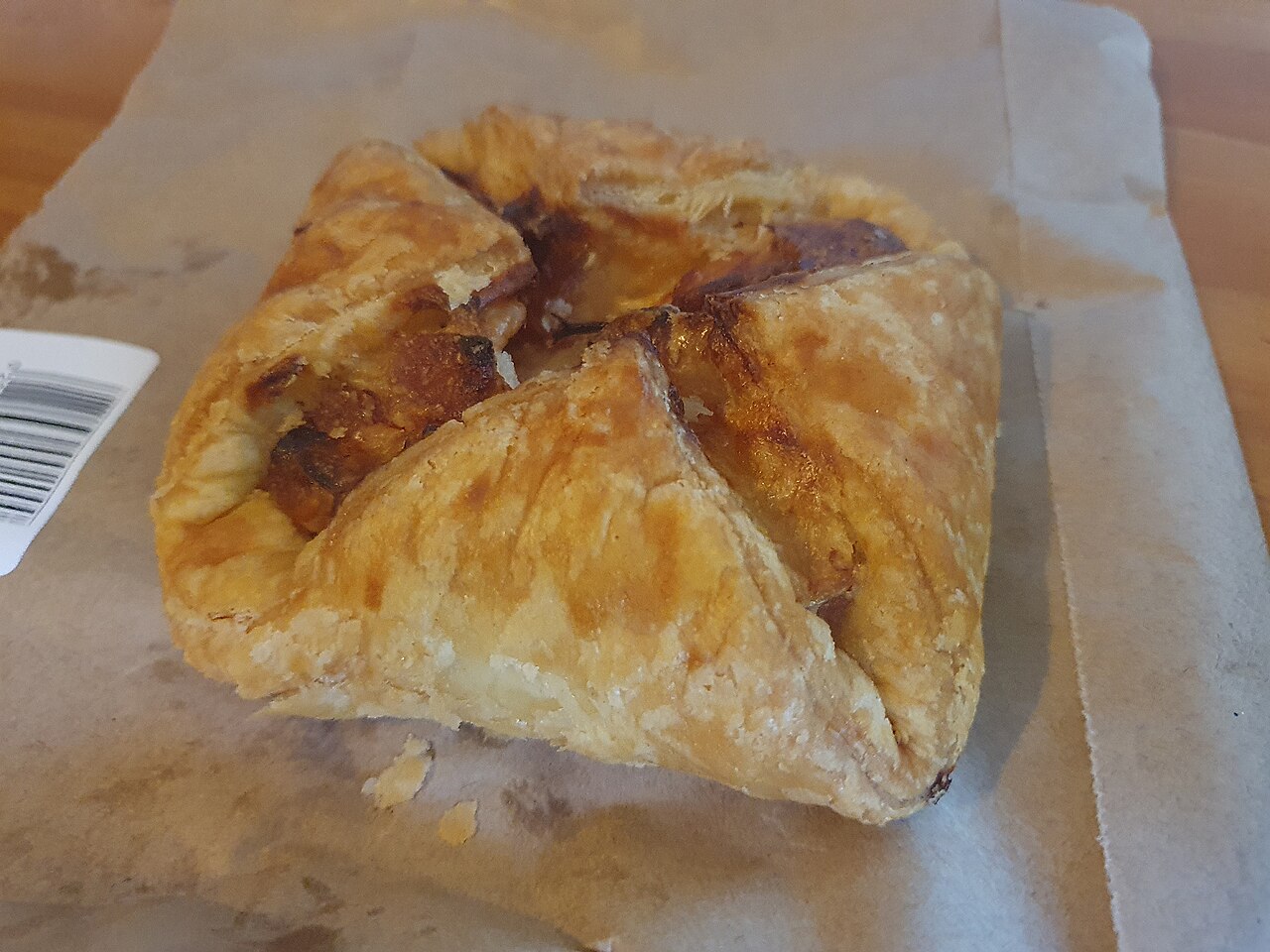
Crossing borders, the term "jambon" also inspires unique regional dishes, such as the Mastering Irish Jambon: Ham & Cheese Pastry Guide. While distinct from its French namesake, this popular Irish treat consists of a flaky puff pastry filled with ham and cheese, baked until golden and bubbling. It's a comforting, savory snack or light meal, perfect for a grab-and-go option. This dish highlights how the core idea of ham and pastry can be interpreted differently across cultures, yet still deliver universal deliciousness.
Versatile Culinary Uses
Beyond these iconic preparations, jambon finds its way into countless other dishes:
- Charcuterie Boards: Slices of jambon cru (like Bayonne) are essential on a French charcuterie board, often paired with cheeses, cornichons, and crusty bread.
- Quiches and Tarts: Diced jambon cuit is a common filling for savory quiches, particularly the classic Quiche Lorraine, adding a salty depth.
- Omelets and Scrambled Eggs: A simple yet satisfying breakfast or brunch, ham and cheese omelets are a staple.
- Salads: Julianned ham adds protein and flavor to various salads, from simple green salads to more elaborate compositions.
- Soups and Stews: Bits of ham can infuse broths with a rich, smoky flavor.
- Croque Monsieur/Madame: These quintessential French grilled sandwiches famously feature Jambon de Paris, often with Gruyère cheese and béchamel sauce.
Choosing and Enjoying Quality Jambon
When selecting jambon, whether at a deli counter or a specialty shop, consider a few key factors:
- Source and Origin: Look for PDO or PGI labels for cured hams like Bayonne, which guarantee authenticity and traditional production methods. For cooked ham, inquire about its origin and ingredients.
- Appearance: Quality jambon should have an appealing color (pale pink for cooked, deeper red for cured), with a natural, unblemished appearance.
- Aroma: A fresh, inviting aroma is crucial. Cured hams should smell nutty and savory, while cooked hams should have a clean, subtle pork scent.
- Texture: Cooked ham should be tender and moist. Cured ham should be firm but yield gently, not rubbery.
To fully appreciate jambon, serve it at room temperature to allow its flavors to fully develop. Pair jambon cru with complementary flavors like melon, figs, or a dry white wine. Jambon cuit is versatile and works well in almost any context, from a simple sandwich to a gourmet appetizer. Store jambon properly, wrapped tightly in the refrigerator, and consume within a few days of opening or slicing to ensure optimal freshness.
In conclusion, jambon is much more than just ham; it's a culinary institution, a symbol of tradition, and an ingredient that brings immense pleasure to tables around the world. From the refined simplicity of the Jambon Beurre to the hearty appeal of the Irish Jambon, its diverse forms offer a journey through taste, history, and craftsmanship. By understanding its types, origins, and various culinary applications, we can better appreciate and savor this extraordinary staple, celebrating the enduring commitment to quality and deliciousness that defines its legacy.